Most guests on a game drive watch for the animal itself. A trained tracker watches everything around it first. Long before a lion steps into view, an impala’s stare, a bird’s alarm call, or a warthog’s sudden dash can already give away exactly where a predator is hiding. This skill comes from generations of Maasai pastoralist knowledge, sharpened further by formal guide training used across the Mara ecosystem today. Touring Insights breaks down the actual signs trackers read. Below you’ll find where in the Mara you are most likely to see this skill in action, and what it costs to book time with a guide who tracks this way.
Why Behavior Comes Before Tracks
Physical tracks, a pawprint or a broken twig, only show where an animal already was. Behavior shows where an animal is right now. A tracker scanning a herd of impala is not looking at the impala at all. They are looking at where its head points and how long it stays frozen. That single detail can locate a leopard resting in cover 200 meters away, long before the vehicle gets close enough to see it directly. Guides across the Mara ecosystem are taught to read this constantly, treating every grazing animal as a moving alarm system for what else is nearby.
The Impala Stare: One Antelope, One Direction, One Answer
Impala rarely stare at nothing. When one animal in a herd locks its head toward a single fixed point and holds still for more than a few seconds, trackers treat that as a strong signal. The direction of the stare narrows the search area immediately. Guides then check that bearing with binoculars for ear tips, a tail flick, or a patch of tawny fur in shaded grass. This trick works because impala have wide-set eyes built for spotting movement across open ground, and they do not waste energy staring unless something has caught their attention.
Alarm Calls: A Warning System Shared Across Species
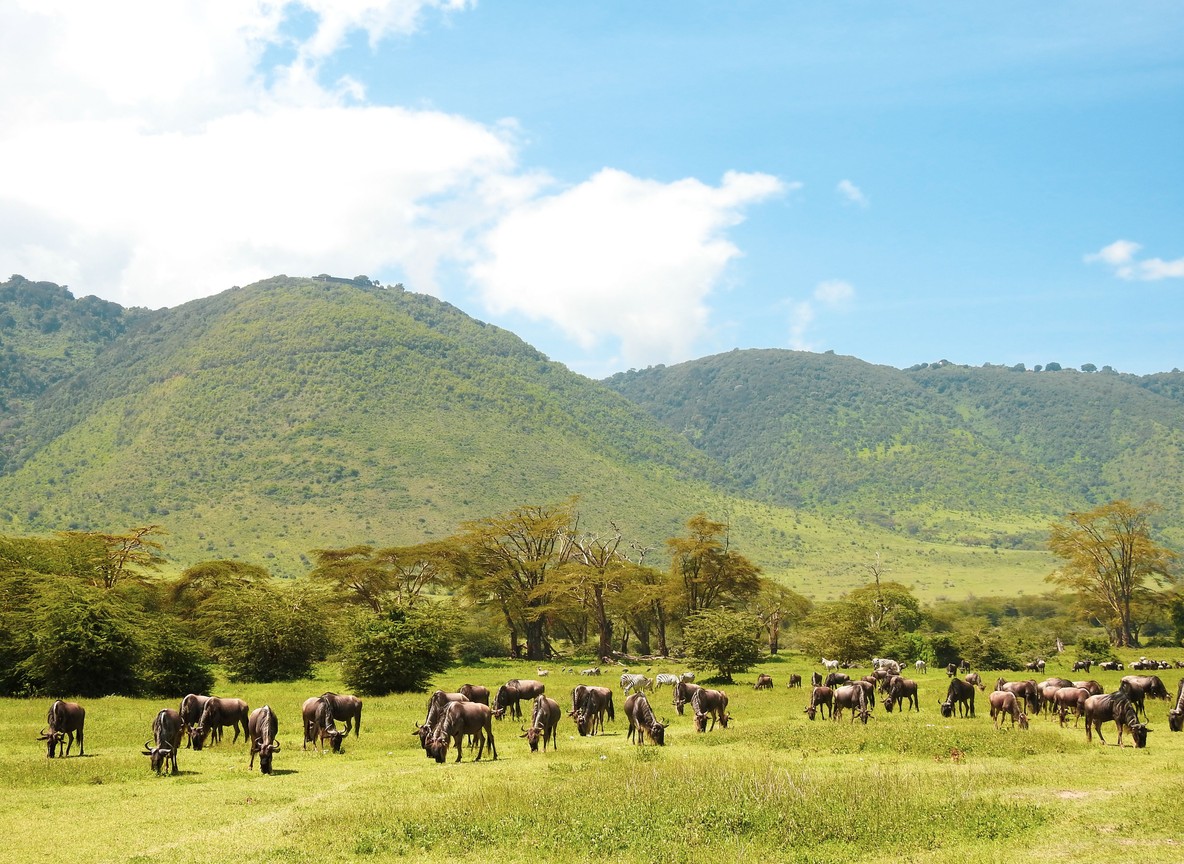
Birds and mammals in the Mara share a kind of common alarm language. A guinea fowl’s sharp repeated call, a baboon’s bark, or a vervet monkey’s chatter each mean something specific once a tracker learns to separate them. Go-away-birds get their name from a call that sounds like exactly that, and it often fires the moment a leopard or hyena moves through dense brush. Zebra and wildebeest herds pick up these calls fast and shift their own grazing pattern in response, bunching tighter or turning to face a single direction. A tracker listening to three or four species calling in sequence can often plot a predator’s exact path through an area without ever seeing it move.
Body Language That Gives Away a Hunt Before It Starts
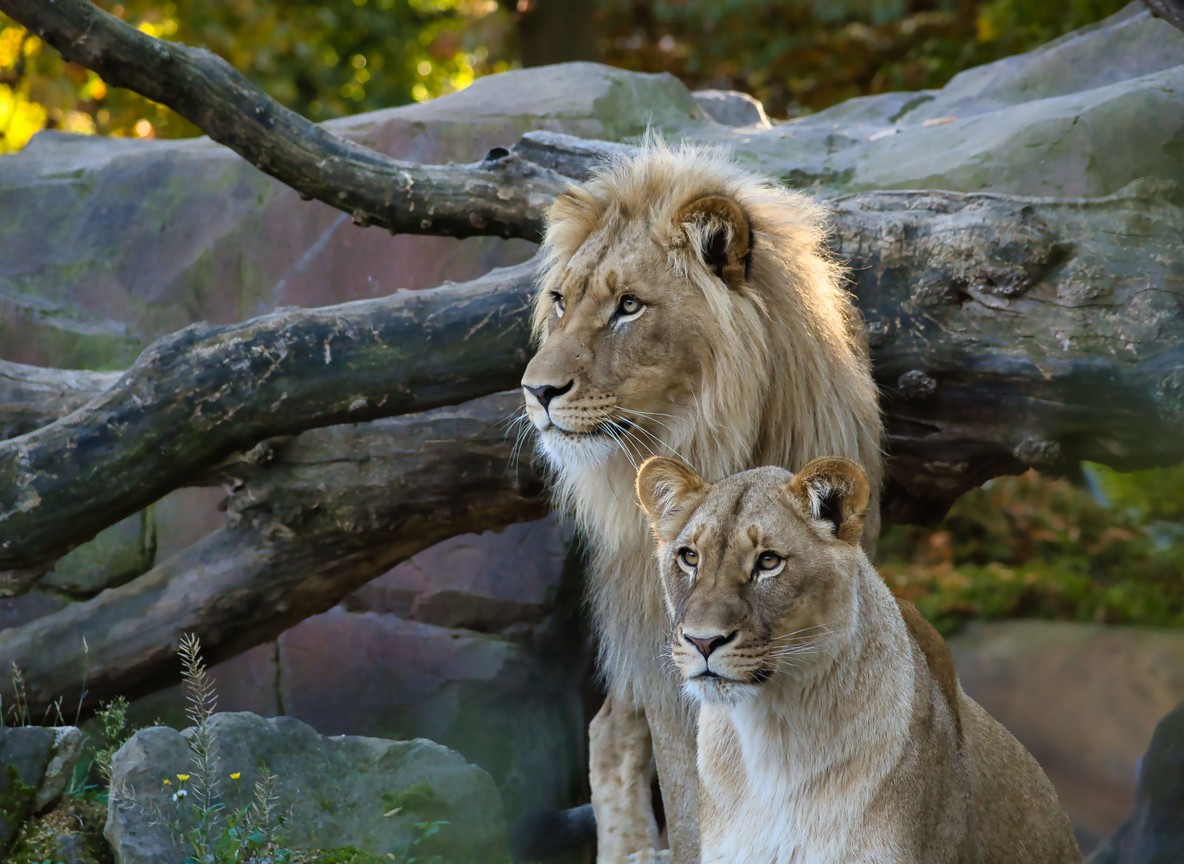
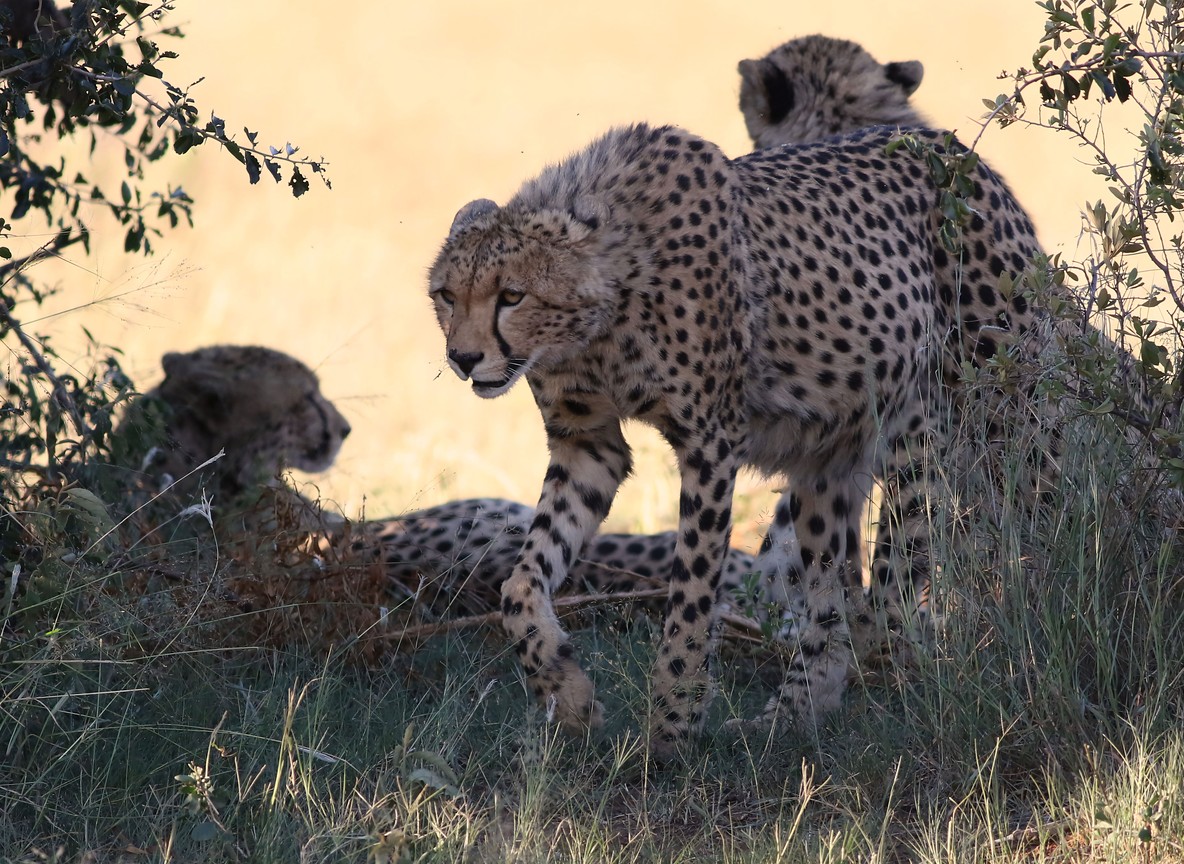
Predators telegraph a hunt well before the final chase. A lioness dropping her shoulders and flattening her body against the ground signals a stalk has begun. Cheetahs give a different tell, tightening into a low crouch with tail twitching just above the grass line. Even the target species change posture first. Thomson’s gazelle sometimes stott, a stiff-legged bounce meant to signal to a predator that they have been spotted and a chase is not worth the energy. Trackers watch for these small postural shifts on both sides, predator and prey, because either one confirms a hunt is close.
Elephant and Buffalo Signs Guests Often Miss
Elephants and buffalo give warnings that matter for guest safety, not just wildlife spotting. An elephant flapping its ears out wide while facing a vehicle head-on is different from a mock charge with ears pinned back and trunk curled. Guides are trained to read the difference in seconds. A buffalo herd standing with heads raised and bodies angled toward one point, rather than grazing with heads down, usually means they have picked up a predator’s scent nearby. Reading these signs correctly keeps vehicles at a safe distance while still close enough for a clear view.
Where to See This Skill in Practice: Naboisho vs Mara North vs the National Reserve
Tracking by behavior works everywhere in the Mara ecosystem, but the setting changes how much of it a guest actually gets to see. Vehicle limits and off-road access rules differ sharply between the national reserve and the private conservancies bordering it.
| Area | Size | Vehicles per sighting | Off-road driving | Night drives |
|---|---|---|---|---|
| Maasai Mara National Reserve | approx. 1,510 km2 | No fixed cap, can be crowded at peak sightings | Not permitted | Not permitted |
| Naboisho Conservancy | approx. 145 km2 (52,000 acres) | Capped, typically 5 or fewer vehicles per sighting | Permitted with guide discretion | Permitted |
| Mara North Conservancy | approx. 280 km2 (69,160 acres) | Capped, typically 5 vehicles per sighting | Permitted with guide discretion | Permitted |
Fewer vehicles per sighting means more time for a guide to explain what they are reading rather than repositioning for a view. Conservancies also allow off-road driving, so a guide can follow an alarm call or a stare toward its source instead of staying on a fixed track.
What It Costs to Book Time With a Tracker-Trained Guide
Guide expertise is not billed separately, but it is built into where you choose to stay and drive. Conservancy fees fund the vehicle caps and guide training that make close, unhurried tracking possible.
| Item | Indicative figure |
|---|---|
| MMNR non-resident entry fee (per person per day), Jan-Jun 2026 | approx. USD 100 |
| MMNR non-resident entry fee (per person per day), Jul-Dec 2026 | approx. USD 200 |
| Naboisho/Mara North conservancy fee (per person per day) | approx. USD 80-150 |
| Drive time, Nairobi to Sekenani Gate | approx. 270 km, 5-6 hr |
| Flight time, Wilson Airport to Mara airstrips | approx. 45 min-1 hr |
Fees and routing change with county policy and airline schedules. Confirm current rates directly with the conservancy or a partner operator before booking.
How Guides Build This Skill
Formal training reinforces what many Maasai guides already absorbed growing up around livestock and wildlife. Guide associations operating in the Mara ecosystem run field assessments that test exactly this kind of behavior reading, not just species identification. A guide moving through these levels spends hundreds of hours in the field. Much of that time goes toward separating a genuine alarm call from a false one, since baboons and guinea fowl also call for reasons unrelated to predators. That distinction, knowing when a signal means danger and when it does not, is what separates a guide who can find wildlife from one who can explain it.
Explorer Notes
Ask your guide to narrate what they are watching, not just what they find. The best trackers will point out an impala’s stare or a go-away-bird’s call in real time, turning a quiet stretch of the drive into the most informative part of the day. Mornings between 6:30 and 8:30 a.m. tend to produce the clearest behavior signs, since many predators are still active and prey herds are alert from the night before. Bring binoculars with at least 8x magnification. A guide can point you toward a stare’s direction, but spotting the ear tip or tail flick yourself is what makes the skill click. In Naboisho and Mara North, ask whether your camp’s guide trained through a recognized Mara guide association assessment. It is a fair, direct question, and a good guide will answer it with specifics rather than a vague reassurance.
What to Read Next
- Comparing where to base your stay? See the Naboisho vs Mara North vs national reserve breakdown above.
- Planning your first Mara trip? A guide’s tracking skill matters most on morning game drives, so timing your itinerary around them pays off.
- Curious about the Mara’s private conservancies more broadly? Vehicle caps and off-road access vary property by property, so confirm the specifics before you book.
FAQ
What is the main sign a Maasai tracker looks for first? Body posture in prey animals, especially a fixed stare from an impala or gazelle, is usually the first sign a tracker checks. It narrows the search area before any physical evidence is visible.
Do alarm calls really predict where predators are? Yes. Guinea fowl, vervet monkeys, and go-away-birds all give distinct alarm calls when a predator moves through their area. Trackers cross-reference multiple calls to plot a likely path.
Is this tracking skill something only Maasai guides have? Much of the foundation comes from Maasai pastoralist knowledge passed down through generations, but formal guide training programs across the Mara ecosystem now teach behavior reading to guides from other backgrounds too.
Why do conservancies like Naboisho offer better tracking experiences than the national reserve? Conservancies cap vehicles per sighting and allow off-road driving, giving guides room to follow a behavior sign to its source. The national reserve has no such vehicle cap and does not permit off-road driving.
Does a guide’s tracking skill affect safety, not just sightings? Yes. Reading elephant and buffalo warning postures correctly helps a guide keep a safe distance during a genuine warning sign, rather than during a false one.
A good tracker turns a quiet game drive into a running commentary on everything happening just out of sight. If you want an itinerary built around guides known for this kind of field skill, check the Tour Packages page. A partner operator can tell you which camps in Naboisho and Mara North staff guides trained to this level.